Saudi Visa Types: A Complete Guide
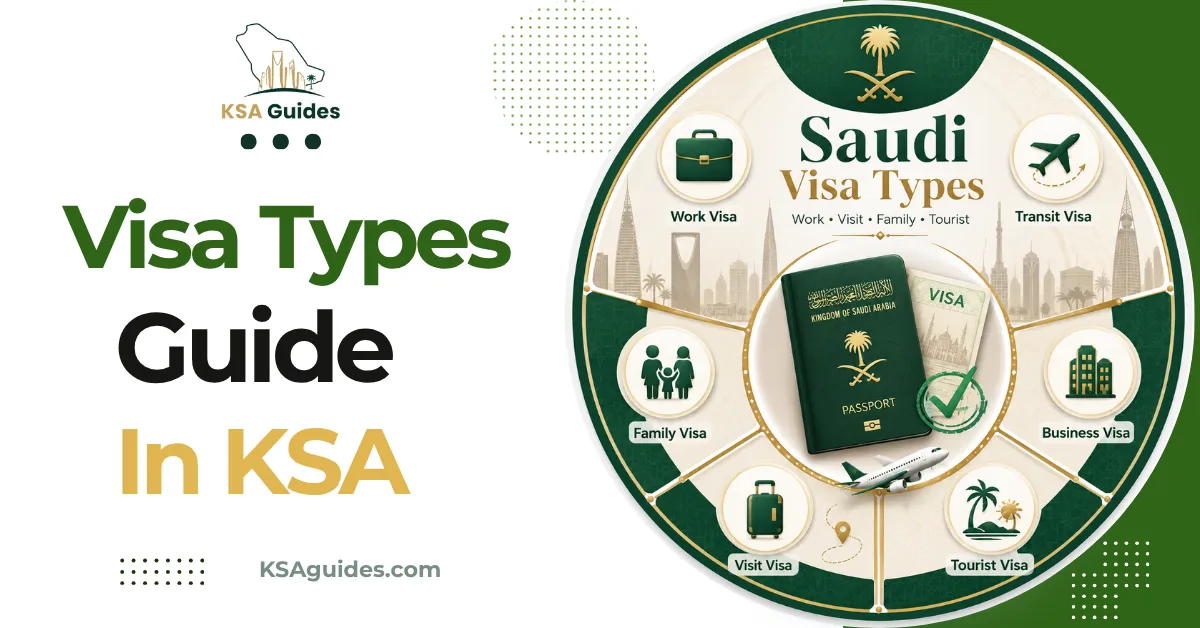
Saudi Arabia issues visas through several distinct routes, from a tourist eVisa to family visit and work visas. A tourist eVisa covers over 50 nationalities, while a family visit visa needs a resident sponsor. Most visa types now already permit Umrah under Vision 2030 reforms, so a dedicated Umrah visa is rarely needed.
Do This Next:
- Identify your nationality’s eVisa eligibility before assuming you need a sponsor
- Confirm whether your visa type already permits Umrah
- Check the specific guide for your visa type below for status and validity checks
Saudi Visa Types at a Glance
Which visa applies to you depends on your nationality, your purpose, and who is inviting you.
| Visa Type | Who It’s For | Typical Cost (SAR) | Stay Length |
|---|---|---|---|
| Tourist eVisa | 50+ eligible nationalities, self-applied | 480 to 494 | Up to 90 days per visit, 1 year validity |
| Family Visit Visa | Relatives of a resident or citizen sponsor | 300 single, 500 multiple | 30 to 90 days, varies by entry type |
| Work Visa | Employer-sponsored foreign workers | Employer-paid | Tied to employment contract |
| GCC Resident eVisa | Legal residents of other GCC states | Similar to tourist eVisa | Similar to tourist eVisa |
| Business Visa | Commercial visits, meetings, conferences | Varies | Short-term, non-employment |
| Premium Residency | Sponsor-free long-term residency | High one-time or annual fee | Long-term, renewable |
Source: Saudi Ministry of Foreign Affairs; Ministry of Tourism; Visit Saudi platform | Verified: August 2026
The Tourist eVisa: Fastest Route for Eligible Nationalities
This is the visa most travellers actually need, and it is entirely self-service.
Launched in September 2019, the eVisa now covers more than 50 nationalities, expanded gradually since launch. Most applications approve within minutes to a few hours, though rare cases need up to 24 hours of extra verification. Eligibility, fees, and the visa on arrival alternative are covered in the Saudi tourist visa guide.
The fee runs approximately SAR 480 to 494. That covers a visa processing charge plus a mandatory health insurance component. That insurance is issued automatically through an approved local provider, so no separate policy is needed.
Not every nationality qualifies. The Philippines, for example, is explicitly excluded from the eVisa list, meaning Filipino travellers need a sponsor-based route instead, such as the one set out in the family visit visa guide.
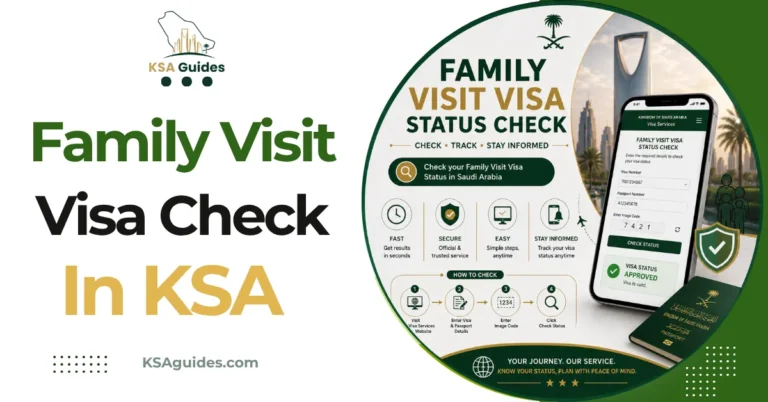
Family Visit Visa: For Relatives of Residents and Citizens
This route exists specifically for nationalities and relationships the eVisa does not cover.
A Saudi citizen sponsors using their National ID. An expatriate resident sponsors using a valid Iqama. Most require at least three months of remaining validity, though some embassies ask for six.
Stay length varies by entry type, and sources describe this differently. Single-entry visas are commonly reported at 30 days, extendable inside the Kingdom. Multiple-entry visas commonly run up to 90 days per visit.
Check the exact figure printed on your own visa sticker. Some nationalities carry different caps under recent rule changes.
Unlike the eVisa, this route does not include insurance automatically. Arranging a separate policy is the applicant’s responsibility, covered in the visit visa insurance guide.
Work Visas: The Employer-Sponsored Route
This is not a route you apply for yourself in the typical case.
Your employer secures a work visa quota, then sponsors your specific entry. Full detail on this process, from offer letter through to Iqama issuance, sits in the Saudi work visa guide.
Umrah Is No Longer Always a Separate Visa
This is the update most older guides have not caught up with, and it changes the whole picture.
Since Vision 2030 reforms, holders of any valid Saudi visa can perform Umrah during their stay. That includes the tourist eVisa, stopover visas, work visas, and family visit visas. A standalone Umrah visa through Nusuk is now needed only by nationals not eligible for any of these other routes.
Full detail on checking Umrah eligibility and the Nusuk platform specifically sits in the Umrah visa check guide.
Pro Tip: Before assuming you need a dedicated Umrah visa, check whether your nationality already qualifies for the tourist eVisa. Most eligible travellers can combine a holiday and Umrah on the same visa.
GCC Residents Get Their Own Route
Legal residents of other Gulf states, not just citizens, have a dedicated pathway distinct from the general tourist eVisa.
This exists because residency status in a GCC country carries different verification requirements than a home-country passport application. Full detail sits in the Saudi visa for GCC residents guide.
Checking Your Visa Status
Once you have applied, several official channels confirm your visa’s current status and validity.
MOFA handles most sponsor-initiated visas, including family visit visas, through visa.mofa.gov.sa. The MOFA visa check guide covers this in full, and matching your visa type to the right portal is covered in the visa check by passport number guide.
Enjaz, a related Ministry of Interior service, offers a separate passport-number lookup, covered in the Enjaz visa check guide.
For a general validity check across visa types, see the visa validity check guide.
Frequently Asked Questions
What is the easiest Saudi visa type to get?
The tourist eVisa is the fastest for eligible nationalities, often approved within minutes online. Ineligible nationalities need a sponsor-based route like the family visit visa instead.
Do I need a separate Umrah visa?
Not if you already hold a valid tourist eVisa, work visa, or family visit visa. A standalone Umrah visa is only required for nationals ineligible for other Saudi visa types.
How long can I stay on a family visit visa?
Reported figures vary: commonly 30 days for single-entry and up to 90 days for multiple-entry. Check the exact validity printed on your visa sticker, since some nationalities follow different rules.
Does the tourist eVisa include insurance?
Yes, mandatory health insurance is included automatically in the eVisa fee. A family visit visa does not include this, so separate insurance must be arranged.
Final Thoughts
The biggest shift in this space is not a new visa category but a policy change to existing ones. Umrah eligibility folding into most standard visa types means fewer travellers need a separate application than older guides suggest.
Whichever route applies to you, confirm eligibility and cost against the official portal for your visa type. Do this before booking travel. Fees and eligible nationality lists shift more often than the underlying visa categories themselves.
Last verified: August 2026
Reviewed by: Roman Shah
Source: Saudi Ministry of Foreign Affairs (MOFA); Ministry of Tourism; Visit Saudi; Nusuk platform
Note: visa fees, eligible nationalities, and stay durations are subject to change. Confirm current requirements directly through the Visit Saudi platform or your nearest Saudi mission before applying.